
The perks of a good job
By Staff
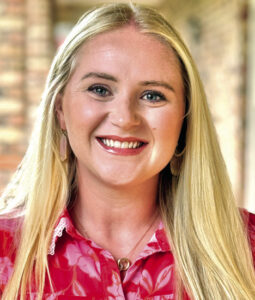
Kim West
The best part of being a full-time employee with a good company is without a doubt the benefits, specifically the health and dental insurance.
As a kid I could define insurance but I didn't really understand why my parents kept telling my sisters and me about how important it is to carry insurance. It's hard to grasp concepts such as co-pays, deductibles and the fact that money doesn't grow on trees when you're busying climbing them, or worrying if you have enough pocket money to buy some nachos and a popsicle at the skating rink.
As I was sitting in my dentist's office yesterday, the talking heads on CNN were discussing the presidential candidates. I'm looking forward to the upcoming months because maybe we'll get to hear more in-depth explanations from the Democratic and Republican nominees – probably Barack Obama and John McCain – about their plans for improving U.S. health care.
If I had to identify the top two issues in the 2008 presidential election, I would choose health care as the most pressing. From now until April I will have visited the doctor's office or dentist's chair at least a dozen times, and I'm actually lucky because the only person's medical bills I currently have to worry about are my own. But a lot of my close relatives and friends have little ones depending on them, and I don't think the health care system is adequate enough.
I'm not going to blame doctors because I think most of them are as sick of filling out mountains of paperwork as their patients are frustrated at their rapidly rising medical bills. I think the system is a bloated bureaucracy, and there are a lot of cunning and unethical people profiting at the expense of quality and affordable health care for the average American citizen.
Generally with problems, you first identify them, discuss possible solutions and then implement them thoroughly and quickly. But since our government – also a bloated bureaucracy – is in charge of fixing the health care problem, it's not surprising that costs continue to rise and cause people to go without check-ups, which can actually prevent future medical problems and their corresponding bills.