

Burns administrator talks healthcare in D.C.
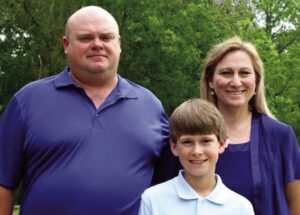
Each day as administrator Mark DeArman walks the halls of Burns Nursing & Rehab and interacts with the residents or their family and friends, he is constantly reminded how important it is for him to be an advocate for those he serves.
Because of this, DeArman said he made the decision to attend the American Health Care Association’s congressional briefing recently in Washington, D.C., and make sure the nation’s leaders are aware of the specific needs senior citizens, and particularly those in nursing homes, have on a daily basis.
DeArman joined more than 450 other people who are part of the skilled nursing profession to voice concerns and speak up about previous regulations and how those regulations affect the day-to-day operations at nursing homes like Burns.
“The skilled nursing profession is one of the most regulated professions in the country,” DeArman said. “The previous presidential administration rolled out 750 pages of regulations that have to be administered and followed. Nationwide we wrote more than 10,000 letters to the Centers for Medicaid and Medicare Services to contact those who were in a position to help us with all the issues these regulations caused, but it didn’t seem to do any good.”
DeArman said there is nothing wrong with having regulations in place to make sure each facility is running efficiently and each resident is being cared for, but at the same time, too many regulations and red tape begins to interfere with patient care.
“We would find ourselves spending more and more time handling regulatory matters, which takes away from the time we spend with our residents,” DeArman said. “That isn’t something we want. We want to make sure we are doing things in the most efficient way possible while also allowing ourselves time to be the support and the community that our residents need.”
DeArman said he believed the presence of those similar to himself who deal with Medicaid, Medicare and the care of the elderly on a daily basis was an key step in making sure legislators know how important this issue is.
“We need our leaders to use common sense and to see that we are counting on them to do this,” DeArman said. “Most of the people making decisions about what regulations to pass and what regulations to change have never dealt with these issues and don’t see how they directly affect real people. That’s why they need to hear from us.
“I feel like Medicaid tends to carry a stigma with it,” he continued. “Many people, and even our leaders, will hear the word ‘Medicaid’ and automatically assume the person using it is a freeloader or someone who is just ‘living off the government’ or making other people pay their way. But I can assure you that is not the case. About 70 percent of our residents are on Medicaid, and these people have contributed to society their whole lives – teachers, nurses, skilled laborers, government employees, collegiate administrators, businessmen and women. These are people, whether they are here long term or here for therapy, who have helped build up their communities, and they now deserve to be taken care of the same way they have taken care of others.
“That’s why I felt like it was important to be part of this congressional briefing. These people deserve to have others standing up for them.”
While in Washington, DeArman met with Congressman Robert Aderholt and Congresswoman Terri Sewell as well as senators Richard Shelby and Luther Strange. He also met with Fox News anchor Brent Baier and heard from Gov. Mark Parkinson, CEO and president of the American Health Care Association.
DeArman said the current presidential administration has promised to fix the regulations so they will be more realistic and nursing home facilities can get back to truly focusing on resident care, resident life and resident interaction while still maintaining quality standards.
“Overall, I feel like the trip went well,” he said, “but I still feel like there’s more to do, especially when it comes to partisan issues. I just hope that for the sake of our seniors, our leaders can put aside party affiliations and do what’s best for the ones who will be affected.”