
Spring is here so beware of storms
Spring is officially here, having arrived last week. The days are longer than the nights, the temperatures are rising — along with the pollen count — and the world around us is turning green with new life. The air is filled with the sound of birdsong and lawn mowers.
But the air also carries the sound of warning sirens. Severe weather season is upon us. Most of the area has already faced at least one day of storms this year. During this season of rebirth, we have to be on the lookout as well for weather threats.
The basics of severe weather preparation are worth revisiting. The National Weather Service offers this advice for what to do during a tornado:
• Get as low as you can. A basement below ground level or the lowest floor of a building offers the greatest safety. Put as many walls between yourself and the outside as possible. Avoid windows.
• Tornadoes could be obscured by rainfall or come at nighttime. Do not wait until you see or hear the tornado, it may be too late.
• Do not waste time opening or closing windows and doors. It will not protect the structure.
• In homes or public buildings: Go to the basement or a small interior room, such as a closet, bathroom or an interior hall on the lowest level. Close all doors to the hallway for greater protection. If possible, get under something sturdy like a heavy table. Protect yourself from flying debris with pillows, heavy coats, blankets or quilts. Use bicycle or motorcycle helmets to protect your head.
• In mobile homes: Leave well in advance of the approaching severe weather and go to a strong building. If there is no shelter nearby, get into the nearest ditch, low spot or underground culvert. Lie flat, covering your head with your hands for protection.
• In vehicles or outdoors: When tornadoes are possible, limit your outdoor plans or finish them early. Stay close to a sturdy shelter. If caught outside, find shelter in a ditch or remain in your vehicle and cover your head for protection. Do not take shelter under a highway overpass, where wind speeds can increase due to a tunneling effect.
In addition, it’s important to have access to information. That means having a weather radio, batteries for portable radios and charging your mobile phone beforehand. If you have a smart phone, there are numerous apps that you can install to help alert you to severe weather coming your way.
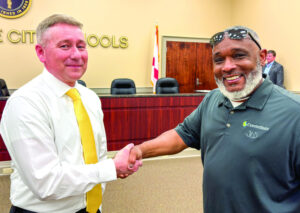
It also means being aware of local storm shelters. For instance, the city of Decatur and Decatur City Schools recently entered into an agreement that will make the freestanding storm shelter at the site of the BEST Pre-K Academy open to the public, while limiting public access to the shelters inside the city’s two public high schools. The shelter next to the BEST Pre-K on Fourth Street Southwest can accommodate nearly 600 adults.
The weather is difficult to predict, and not every forecast of severe weather pans out. The last time tornadoes were forecast for the Tennessee Valley, they remained farther south. But that is no reason to be complacent. Longtime residents of north Alabama can tell you a tornado may strike with plenty of warning or no warning at all.